Dental Therapy 101
What are dental therapists?
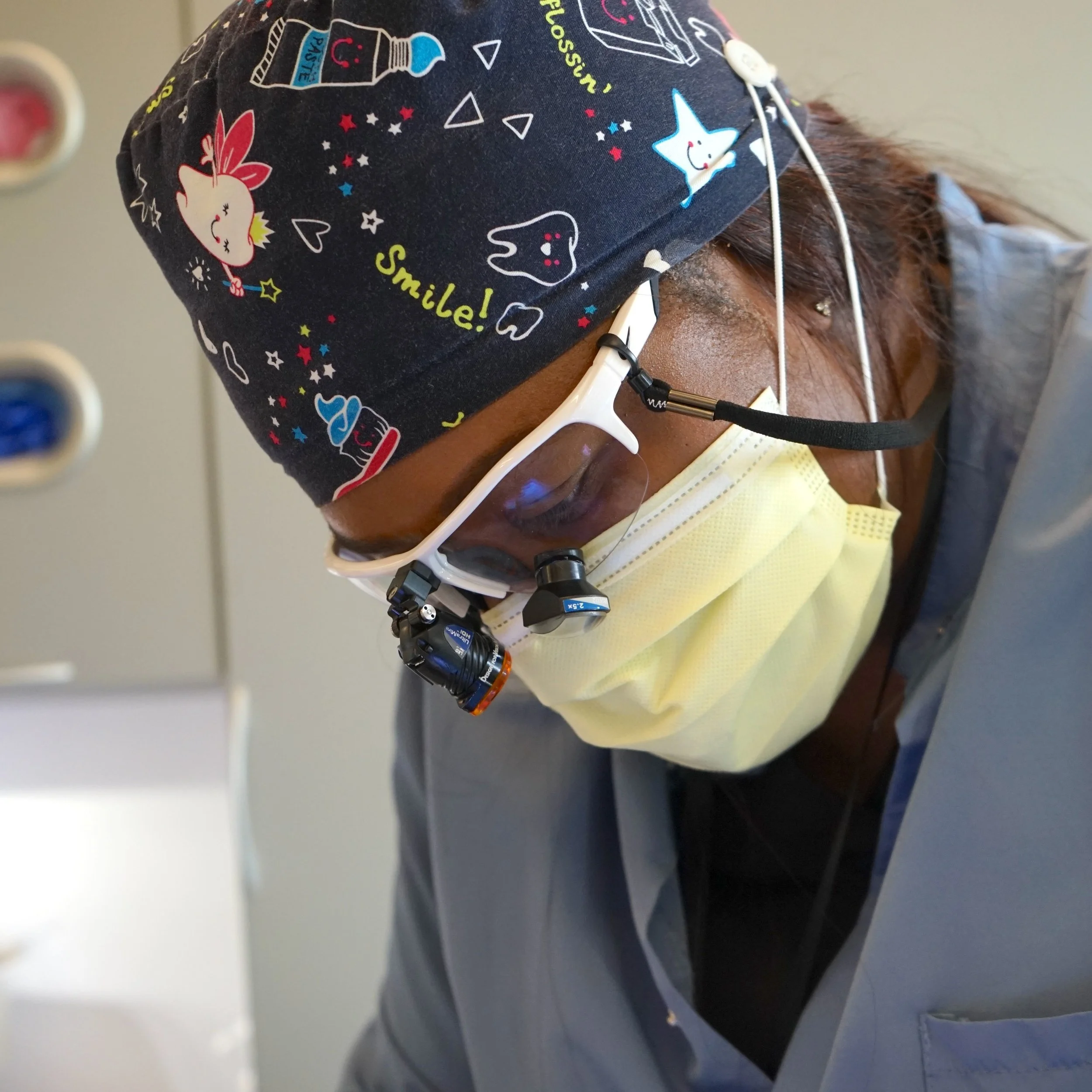
Licensed oral health professionals who provide commonly needed oral health care like exams, cleanings, and fillings.
They practice under the supervision of a dentist — complementing the work of hygienists and dental assistants — providing care in the traditional clinic setting and out in communities where people live, work, and play.
Dental therapists were authorized to practice in Michigan in 2018 but they’ve been working internationally for over 100 years.
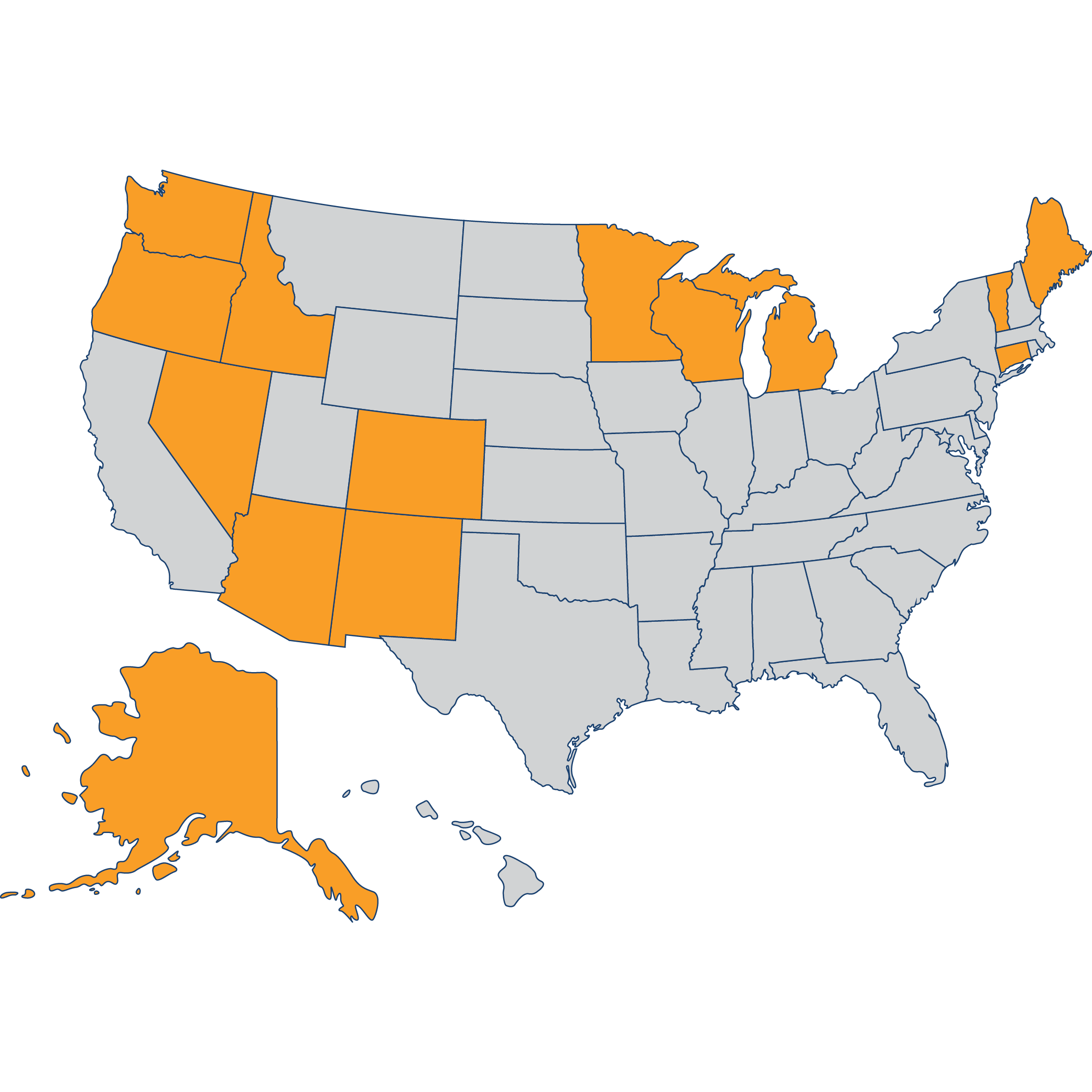
Dental therapists have spread across the country and are now authorized to practice in at least some settings in 14 states.
Why are dental therapists needed?
Despite longstanding efforts by many stakeholders, many Michigan residents struggle to get the dental care they need. The most vulnerable populations include:
Seniors
Pregnant people
People with disabilities
Low-income families
BIPOC communities
Tribal communities
Rural residents
These disparities are fueled in part by a maldistribution of dentists across the state leaving large portions of rural and urban areas with too few dental providers, as well as a shortage of dentists who accept Medicaid.
Dental therapists can help fill this gap by bringing care directly to patients who struggle to get into dental offices. They can work in community settings like schools, long-term care facilities, and mobile dental clinics.
This helps reduce wait times and transportation times for patients, expand the oral health workforce in underserved areas, and improve oral health outcomes for communities.
Benefits of dental therapy
-
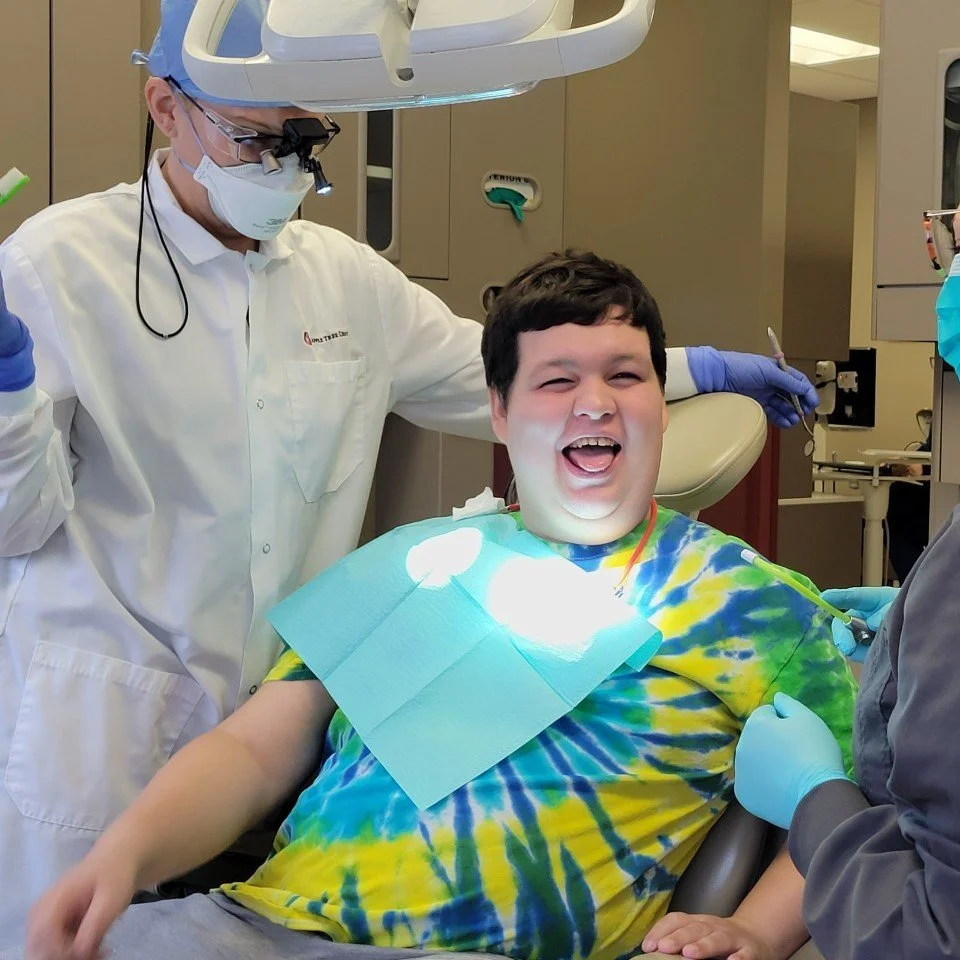
ACCESSIBLE CARE
Provides early treatment & prevention to avoid more invasive future care
Addresses structural racism and inequities in oral health
Bridges language and cultural gaps
Reduces wait times and travel times for commonly needed treatments
-

EDUCATIONAL PIPELINE
Makes dental education more accessible, particularly for low-income and first-generation college students
Builds a representative workforce pipeline from communities without enough dental providers
Creates good paying jobs
Prepares highly qualified, licensed dental providers with the same educational standards as dental schools
-
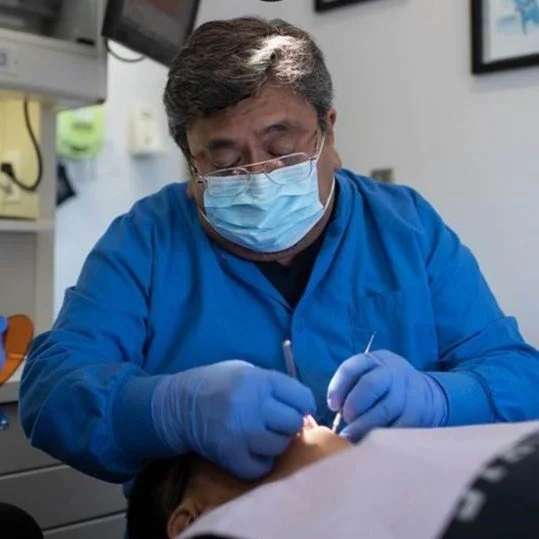
COST-EFFECTIVE
Frees up dentists to provide more advanced care
Allows clinics to treat more patients with the same budget
Brings care directly to patients in settings like schools and long-term care facilities
Requires less time and expense to complete training program than dentists
History of dental therapy
-
In 2015, the Michigan Council for Maternal and Child Health (MCMCH) engaged a variety of stakeholders on potential policy solutions to Michigan's dental access challenges.
The primary priority identified was the need to explore additional workforce models. As a result, MCMCH and 17 other organizations came together to form the Michigan Dental Access Coalition to advocate for such policies. Senate Bill 541 was introduced by Sen. Mike Shirkey in September 2017 to authorize dental therapists in Michigan and Gov. Rick Snyder signed the bill into law on December 27, 2018.
In April 2021, Michigan’s dental therapy rules were approved, opening up the opportunity for dental therapists to be licensed in the state.
In August 2022, Michigan’s Medicaid Policy for dental therapists was established, allowing dental therapists to be enrolled in and bill Medicaid.
In 2025, Michigan’s first dental therapist began practicing in the state, a landmark milestone nearly a decade in the making. A second dental therapist began practicing in 2026.
-
Dental therapists have worked internationally for over a century and in the U.S. for 20 years. The dental therapy model was first brought to the U.S. by Alaska Native communities looking to address chronic dentist shortages in their communities and find an accessible, cost-effective way to train people from communities without access to care to provide routine care under the supervision of a dentist in a hub-and-spoke model.
The dental therapy profession has been highly successful in Alaska, allowing more people to get routine dental care, preventing more serious oral health conditions and allowing more people to keep their teeth.
Facing their own oral health access challenges, advocates and stakeholders in Minnesota embraced dental therapy and successfully advocated for the state to authorize the providers in 2009.
Since then, a dozen more states have authorized dental therapists to work in at least some settings and many more are considering legislation.
In 2015, the Commission on Dental Accreditation, the sole entity in the U.S. responsible for setting standards and approving education programs for dentists, dental hygienists, and registered dental assistants, created standards for dental therapy.
Dental therapy in Michigan today
Status Update
〰️
Status Update 〰️
Dental therapists were authorized to practice in Michigan in 2018 but they’ve been working internationally for over 100 years.
Michigan now has dental therapists practicing in the state, a major milestone for the profession and for patients who need care.
Ferris State University has announced Michigan’s first dental therapy education program and has named a program director, with plans to launch in 2028.
In the meantime, a number of clinics and dental practices are seeking to recruit dental therapists from other states to come to work in Michigan, and students interested in becoming dental therapists can enroll in one of several CODA-accredited programs in other states.