
Information for Current and Aspiring Dental Therapists
Michigan’s first dental therapists are now practicing in the state, and there are many more clinics looking to hire.
Whether you are an experienced dental therapist looking to practice in Michigan, or someone considering dental therapy as a career, this guide has what you need.
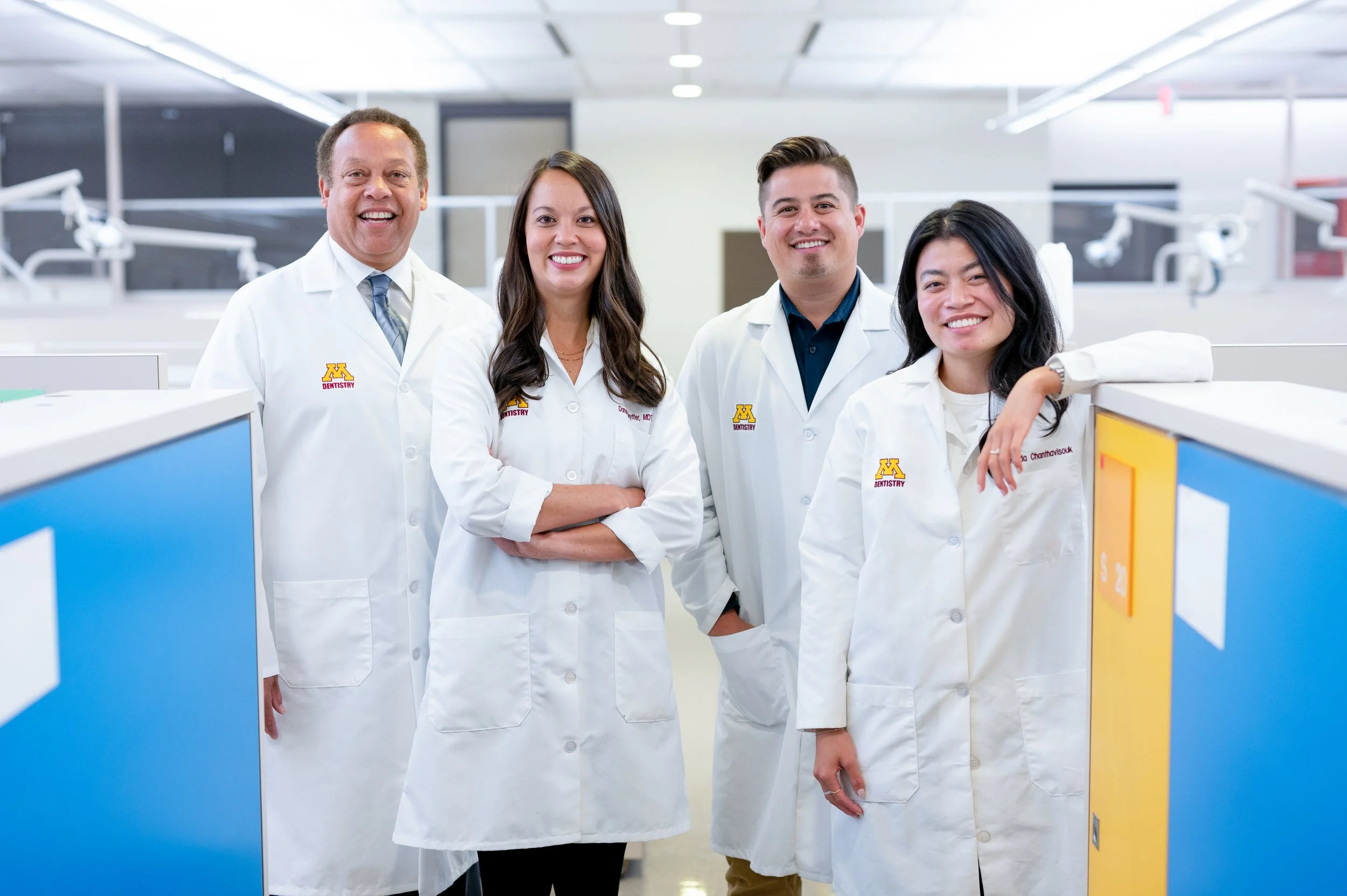
Current dental therapists
-
Michigan requires all dental therapists to have graduated from a CODA-accredited dental therapy program or one the Michigan Board of Dentistry determines is substantially equivalent.
For dental therapists who graduated from dental therapy programs that were not accredited by CODA at the time of their graduation, they can request to have their education program reviewed by the Board of Dentistry (see instructions on how to do so) to determine whether they will accept it.
All dental therapists must have completed at least 500 hours of patient care under the direct supervision of a dentist as a part of their education.
-
Michigan requires all dental therapists to have passed the CDCA-WREB-CITA dental therapy exam or an examination that is substantially equivalent as determined by the Michigan Board of Dentistry. That exam includes a:
Two-part competency-based clinical exam
Manikin restorations exam
In-person clinical exam
Computer-based didactic exam
-
Dental therapists must work under the supervision of a dentist with whom they have a written practice agreement. The specific supervision level for a dental therapist is set by the supervising dentist via the practice agreement and can vary by procedure.
Written practice agreements are a collaboration between dental therapists and their supervising dentist(s) and create a plan for how the dental therapist will practice. The plan generally includes standing orders and protocols dental therapists must follow and any restrictions on scope, settings, patient selection, or supervision the supervising dentist requires.
You can find out more information and see a sample written practice agreement in the Michigan Primary Care Association’s dental therapy employer manual. Dental therapists may supervise up to three dental assistants and two dental hygienists if permitted by the practice agreement.
-
Michigan sets some limits on where dental therapists can practice. Dental therapists can work in:
Any health setting within a dental health professional shortage area;
A Federally Qualified Health Center, a school-based health center, a local health department, a tribal health clinic, a hospital, or a correctional facility; or
Any other clinic or practice setting where at least 50% of their patients are covered by Medicaid, are low-income and uninsured, or have a disability or chronic condition that creates a significant barrier to receiving dental care.
In addition to working in traditional clinics and dental practices, dental therapists can bring care directly to patients, either with a mobile clinic or with portable equipment, and provide care in community settings like schools, Head Start centers, group homes, and long-term care facilities.
-
Clinics in Michigan are eager to hire dental therapists! The Michigan Primary Care Association maintains a job board for positions in health centers, but you may also find opportunities posted on broader job sites like Indeed.
-
The Department of Licensing and Regulatory Affairs (LARA) has published a guide to applying for dental therapy licensure.
-
Under Michigan law, dental therapists may perform the following procedures:
Diagnostic Procedures:
Performing an oral evaluation and assessment of dental disease and developing an individualized treatment plan if the supervising dentist has given the dental therapist written authorization to provide the services and reviews the patient records as provided in the written practice agreement
Identifying oral and systemic conditions that require evaluation or treatment by dentists, physicians, or other health care professionals and managing referrals
Comprehensive charting of the oral cavity
Administering and exposing radiographic images
Preventive Procedures:
Providing oral health instruction and disease prevention education, including nutritional counseling and dietary analysis
Dental prophylaxis including subgingival scaling or polishing procedures
Applying topical preventative or prophylactic agents, including fluoride varnish, silver diamine fluoride and other fluoride treatments, antimicrobial agents, and pit and fissure sealants
Fabricating athletic mouth guards
Medications and Anesthetics:
Dispensing and administering via the oral or topical route nonnarcotic analgesics and anti-inflammatory and antibiotic medications as prescribed by a health care professional
Applying desensitizing medication or resin
Administering local anesthetic and nitrous oxide analgesia
Restorative and Surgical Procedures:
Pulp vitality testing
Emergency palliative treatment of dental pain related to a care or service described in this subsection
Changing periodontal dressings
Preparation and placement of direct restoration in primary and permanent teeth
Fabrication and placement of single-tooth temporary crowns
Preparation and placement of preformed crowns on primary teeth
Indirect and direct pulp capping on permanent teeth
Suturing and suture removal
Placement and removal of space maintainers
Simple extraction of erupted primary teeth
Nonsurgical extractions of periodontally diseased permanent teeth with tooth mobility +3. However, a dental therapist shall not extract a tooth for any patient if the tooth is unerupted, impacted, or fractured or needs to be sectioned for removal
Other:
Minor adjustments and repairs on removable prostheses
Performing other related services and functions authorized by the supervising dentist and for which the dental therapist is trained
Performing any other duties of a dental therapist that are authorized by the board by rule
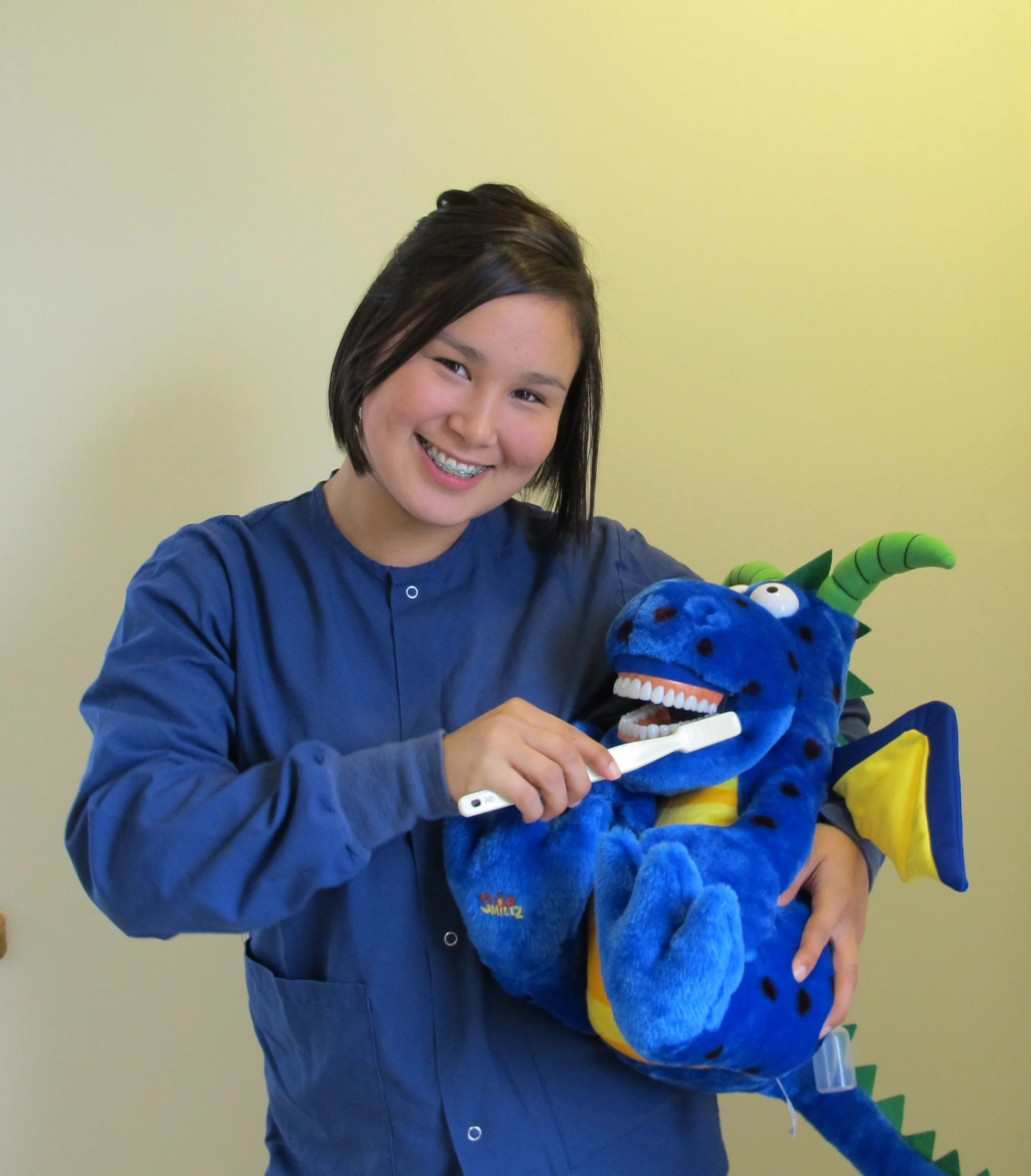
Aspiring dental therapists
-
Dental therapists are licensed oral health professionals who work as a part of the dental team to provide commonly needed oral health care like exams, cleanings, and fillings.
Dental therapists play a similar role in dentistry as physician assistants or nurse practitioners do in medicine.
They are valuable members of the care team who work under the supervision of dentists and alongside dental hygienists and dental assistants.
Dental therapists are newer member of the oral health care team in the U.S., but they’ve been working internationally for over a century. Dental therapists first started working in the U.S almost 20 years ago and they were authorized to practice in Michigan in 2018.
-
If a rewarding career in health care, improving the oral health of your patients, and working in community settings sounds interesting, dental therapy might be right for you!
Tooth decay is the most common chronic disease in the U.S., and the health of your mouth affects the health of your whole body.
However, many people, in Michigan and across the country, don’t have access to the dental care they need to live happy, healthy lives.
Dental therapists can help bridge that gap, allowing more people to get the care they need.
You'll also enjoy an accessible education pathway, good salary, and career ladder opportunities.
If you have questions, please reach out to Misty Davis (mdavis@mpca.net) at the Michigan Primary Care Association.
-
Dental therapists can work in traditional dental care settings, like a private dental office or a community health center, but they can also bring care directly to patients where they are, in settings like schools and nursing homes.
Michigan allows dental therapists to work in public health settings (e.g., community health centers, schools, hospitals, etc.), areas with a shortage of dental providers, and in any setting where at least 50% of their patients are covered by Medicaid, are low-income and uninsured, or have a disability or chronic condition that creates a significant barrier to receiving dental care.
-
Michigan requires dental therapists to graduate from a program accredited by the Commission on Dental Accreditation (CODA) or one that is substantially equivalent to it.
CODA sets the education standards for all dental education in the U.S. and requires dental therapy programs to be at least three academic years in length. Some dental therapy programs in the U.S. use a year-round schedule so the education can be completed in about two calendar years.
There are currently no dental therapy education programs in Michigan, however one is being developed at Ferris State University, with plans to open in 2028. Ferris State has named Dr. Deborah Brown as program director.
Individuals interested in becoming dental therapists without waiting for a program to open in Michigan have the option of going out of state for education. There are currently five CODA-accredited dental therapy education programs in the U.S.
(Scroll down to view those programs!)
-
Clinics in Michigan are eager to hire dental therapists! The Michigan Primary Care Association maintains a job board for positions in health centers, but you may also find opportunities posted on broader job sites like Indeed.
Michigan Employers want Dental Therapists!
Explore Michigan Community Health Centers seeking dental therapists!

Dental Therapy Education Programs
There are currently no dental therapy education programs in Michigan, however one is being developed at Ferris State University, with plans to open in 2028, and additional colleges and universities are exploring starting programs.
CODA Accredited Programs
-
Program Type: Dental therapy for already licensed dental therapists
Degree Awarded: AAS in Dental Therapy
Prerequisites: Active WI dental hygiene license and a dental hygiene degree from a CODA accredited program
Program Length: Three academic years
Website: https://www.ntc.edu/academics-training/programs/all/associate-degree/dental-therapy
-
Program Type: Dual dental hygiene and dental therapy
Degree Awarded: BS in dental hygiene, MS in dental therapy
Prerequisites: 24 credits of prerequisite courses
Program Length: 32 months
-
Program Type: Dental therapy
Degree Awarded: AAS in Dental Therapy
Prerequisites: None
Program Length: 30 months
Website: https://www.skagit.edu/academics/areas-of-study/health-sciences/dentaltherapy/
-
Program Type: Dual dental hygiene and dental therapy
Degree Awarded: BS in dental hygiene, MS in dental therapy
Prerequisites: 44 credits of prerequisite courses
Program Length: 36 months
Website: https://www.pacificu.edu/academics/colleges/college-health-professions/school-dental-hygiene-studies
-
Program Type: Dental therapy
Degree Awarded: AAS in dental therapy
Prerequisites: none
Program Length: 25 months
MN Dental Board Approved Programs
-
Program Type: Dental therapy degree for already licensed dental hygienists
Degree Awarded: MS in dental therapy
Prerequisites: Active dental hygiene license, bachelor’s degree in any field, 4 credits of prerequisite courses
Program Length: 24 months
Website: https://www.metrostate.edu/academics/programs/advanced-dental-therapy-msadt
-
Program Type: Dual track dental hygiene and dental therapy
Degree Awarded: BS in dental hygiene and MS in dental therapy
Prerequisites: 35 credits of prerequisite courses
Program Length: 32 months
Website: https://ahn.mnsu.edu/academic-programs/dental-education/advanced-dental-therapy-ms/
Interested in becoming a dental therapist?
Interested in becoming a dental therapist?
The Michigan Primary Care Association is leading efforts to implement dental therapy in the state.
For more information about dental therapy in Michigan, see our pages for Employers and Educators, or get in touch with us at the form below!
Resources
The American Dental Therapy Association supports dental therapists and dental therapy students
The National Partnership for Dental Therapy provides information about dental therapy across the country