
Educating Dental Therapists in Michigan
What are dental therapists?
Licensed oral health professionals who provide commonly needed oral health care like exams, cleanings, and fillings.
They practice under the supervision of a dentist — complementing the work of hygienists and dental assistants — providing care in the traditional clinic setting and out in communities where people live, work, and play.
Dental therapists were authorized to practice in Michigan in 2018 but they’ve been working internationally for over 100 years and in the U.S. for almost 20 years.
Dental therapists have spread across the country and are now authorized to practice in at least some settings in 14 states.
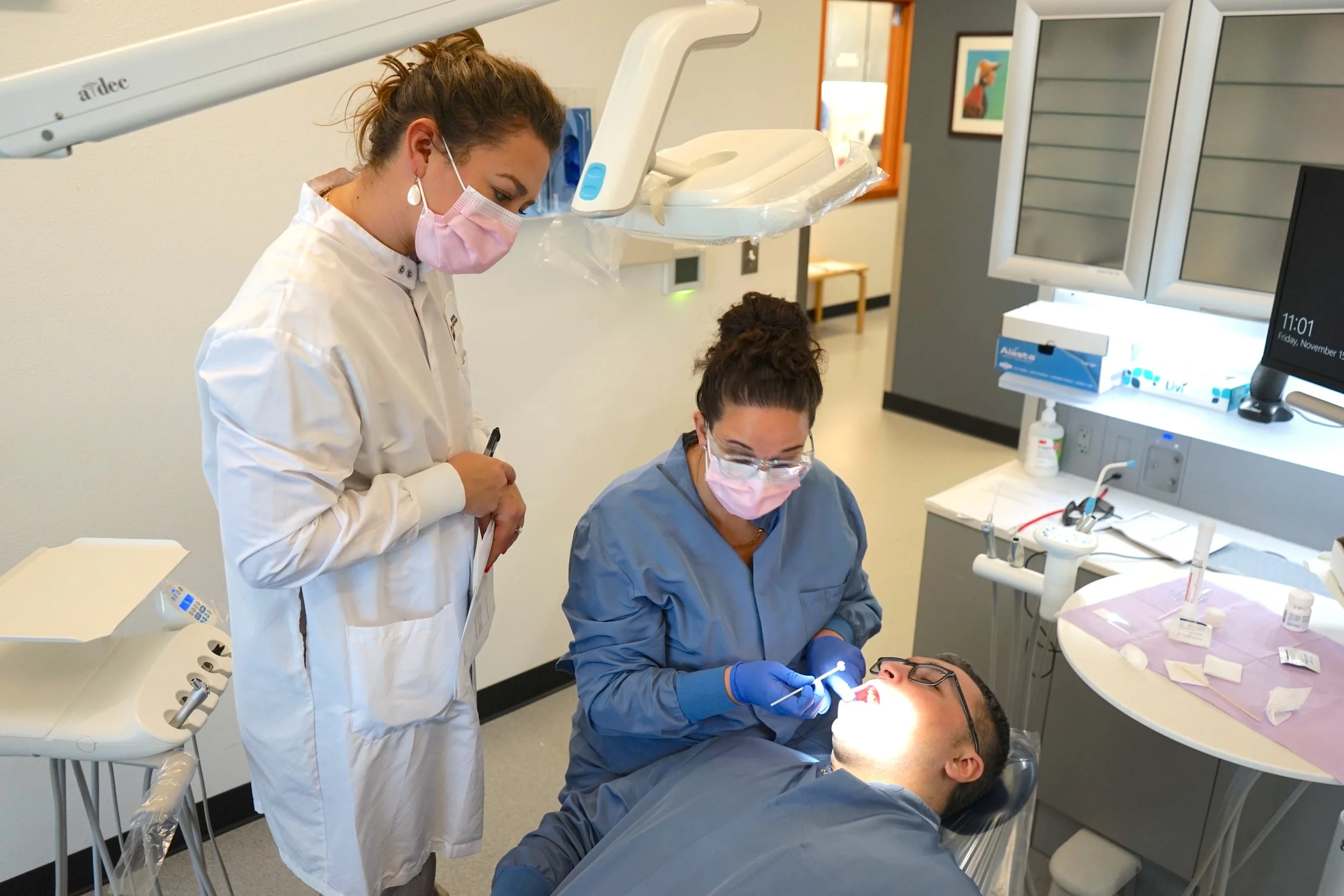
Michigan requires dental therapists to graduate from a program accredited by the Commission on Dental Accreditation (CODA) or one that is substantially equivalent to it.
CODA sets the education standards for all dental education in the U.S. and requires dental therapy programs to be at least three academic years in length. Some dental therapy programs in the U.S. use a year-round schedule so the education can be completed in about two calendar years. There is no specific degree level requirement for dental therapists in Michigan. Dental therapy education is offered in other states at a range of degree levels.
The Michigan Board of Dentistry can approve licensure for a dental therapist who attended a program that was not CODA-accredited at the time of their graduation if they find it is substantially equivalent to the CODA standards.
What education do dental therapists need?
What education programs for dental therapists currently exist?
There are currently no dental therapy education programs in Michigan, however one is being developed at Ferris State University, with plans to open in 2028. Ferris State has named Dr. Deborah Brown as program director.
There are currently five CODA-accredited dental therapy education programs in the U.S. (in Alaska, Minnesota, Oregon, Washington, and Wisconsin), as well as two additional state-approved program in Minnesota that is currently seeking CODA accreditation. There are additional programs under development in other states
CODA Accredited Programs
-
Program Type: Dental therapy for already licensed dental hygienists
Degree Awarded: AAS in Dental Therapy
Prerequisites: Active WI dental hygiene license and a dental hygiene degree from a CODA accredited program
Program Length: 28 months
Website: https://www.ntc.edu/academics-training/programs/all/associate-degree/dental-therapy
-
Program Type: Dual dental hygiene and dental therapy
Degree Awarded: BS in dental hygiene, MS in dental therapy
Prerequisites: 24 credits of prerequisite courses
Program Length: 32 months
-
Program Type: Dental therapy
Degree Awarded: AAS in Dental Therapy
Prerequisites: None
Program Length: 30 months
Website: https://www.skagit.edu/academics/areas-of-study/health-sciences/dentaltherapy/
-
Program Type: Dual dental hygiene and dental therapy
Degree Awarded: BS in dental hygiene, MS in dental therapy
Prerequisites: 44 credits of prerequisite courses
Program Length: 36 months
Website: https://www.pacificu.edu/academics/colleges/college-health-professions/school-dental-hygiene-studies
-
Program Type: Dental therapy
Degree Awarded: AAS in dental therapy
Prerequisites: none
Program Length: 25 months
MN Dental Board Approved Programs
-
Program Type: Dental therapy degree for already licensed dental hygienists
Degree Awarded: MS in dental therapy
Prerequisites: Active dental hygiene license, bachelor’s degree in any field, 4 credits of prerequisite courses
Program Length: 24 months
Website: https://www.metrostate.edu/academics/programs/advanced-dental-therapy-msadt
-
Program Type: Dual track dental hygiene and dental therapy
Degree Awarded: BS in dental hygiene and MS in dental therapy
Prerequisites: 35 credits of prerequisite courses
Program Length: 32 months
Website: https://ahn.mnsu.edu/academic-programs/dental-education/advanced-dental-therapy-ms/
-
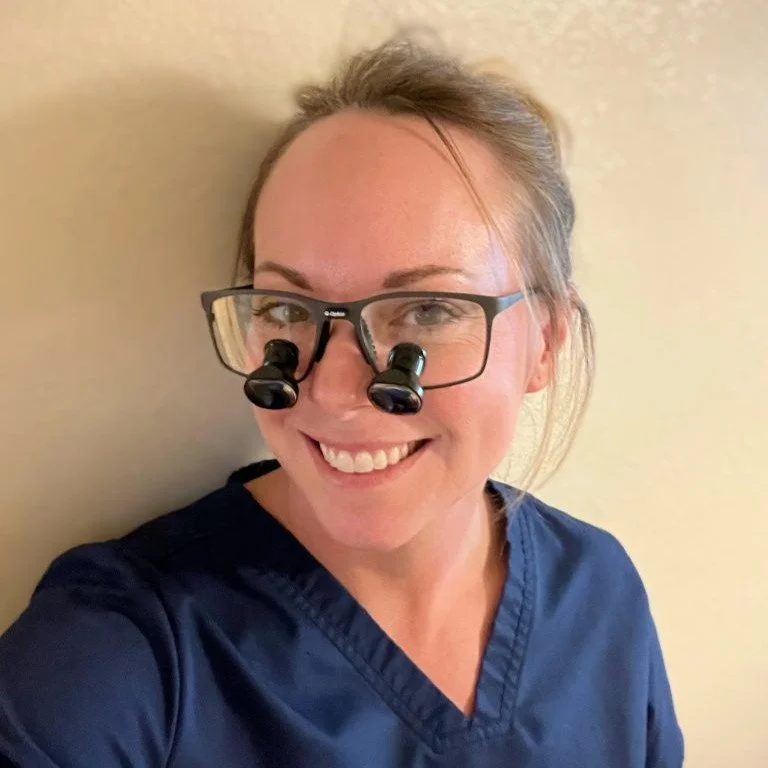
Does dental therapy offer a career ladder for existing dental professionals?
Yes, professionals already practice in the dental field have many career advancement opportunities with dental therapy!
While CODA considers dental therapy a distinct profession from dental hygiene and dental assisting, it does encourage programs to offer “advanced standing” to qualified students.
This means programs could be built to offer accelerated training for registered dental assistants or registered dental hygienists.
-

What is the demand for dental therapy education?
There is a great deal of demand for dental therapy in Michigan!
A recent survey of current dental assistants and dental hygienists found that over half of respondents expressed interest in furthering their career by also becoming dental therapists.
And based on the experience of other states, many students without previous education or experience in dentistry are also likely to pursue dental therapy.
Currently, some Michigan students are pursuing dental therapy education out of state, while many more interested individuals eagerly await the opening of a program in the state.
The profession has already taken root in Michigan: dental therapists are now practicing in the state, and the opening of Ferris State’s program will make the career pathway accessible to many more Michigan students.
-

What do students interested in career laddering want from a dental therapy education program?
A recent study of dental assistants and hygienists in Michigan interested in pursuing dental therapy education found that prospective students prized flexibility and efficiency in an education program.
Potential students wanted the ability to take didactic courses online and an option for an accelerated course of study for qualified individuals.
Existing professionals also wanted educational programs in their own communities, with 47% not being willing to relocate to another area of Michigan for education and 75% not being willing to relocate to another state.
Students also identified the cost of tuition as a potential barrier and wanted programs to minimize barriers (e.g., not requiring students already hold a Bachelor's degree or relocate, structuring programs so students can still work part-time, etc.).
Other FAQs
-
Neither Michigan law nor the CODA standards set a specific degree requirement for dental therapy. Instead, they define certain subjects, competencies, and procedures dental therapists must learn, but leave the specific degree awarded up to the individual educational institution.
-
Michigan requires all dental therapists to have passed the CDCA-WREB-CITA dental therapy exam or an examination that is substantially equivalent as determined by the Michigan Board of Dentistry. That exam includes a:
Two-part competency-based clinical exam
Manikin restorations exam
In-person clinical exam
Computer-based didactic exam
Interested in starting a dental therapy program?
The Michigan Primary Care Association is leading efforts to implement dental therapy in the state.
For more information about dental therapy in Michigan, see our pages for Dentists and Current and Aspiring Dental Therapists, or get in touch with us at the form below!
Resources
The Commission on Dental Accreditation’s accreditation standards for dental therapy education programs
The University of Minnesota has created an open access Dental Therapy Curriculum for use by educators across the country
The National Partnership for Dental Therapy provides information about dental therapy across the country